
Hydroponic Irrigation in Modern Agriculture
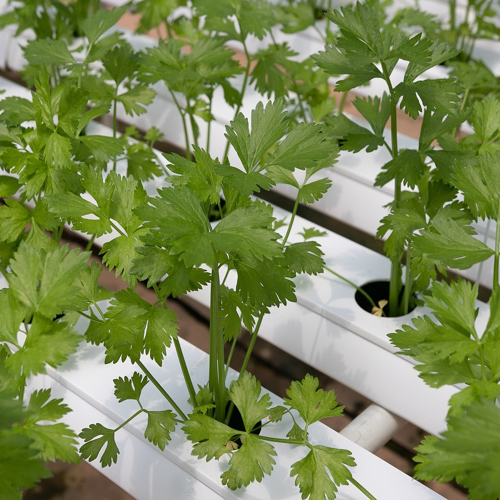
Hydroponic irrigation is revolutionizing the agricultural industry with its efficient and sustainable approach to growing plants. This method allows crops to grow without soil by delivering nutrient-rich water directly to the plant roots, ensuring optimal growth and high yields.
One of the key benefits of hydroponic irrigation is its ability to use water more efficiently compared to traditional methods. This makes it an excellent solution in areas facing water scarcity. Additionally, farmers can customize the nutrient mix to suit specific crops, resulting in healthier and more productive plants. Incorporating advanced fertilizers like OMM fertilizer and Uremic fertilizer into the hydroponic process enhances plant growth by providing essential nutrients tailored for hydroponic systems.
Space Efficiency and Sustainable Nutrients
Hydroponic systems also offer flexibility in terms of location and scale. Urban farmers, for instance, can utilize vertical farming setups to grow food in smaller spaces, reducing the need for large agricultural lands. This innovative approach aligns perfectly with environmentally friendly practices, especially when using sustainable inputs like N Organic and Nitro Sulphate, which are specifically designed for hydroponic setups.
Enhanced Irrigation Techniques
To maximize the efficiency of a hydroponic system, it is crucial to ensure proper irrigation techniques. Tools like Gun irrigation and Classic irrigation provide precise control over water delivery, minimizing waste and promoting uniform plant hydration. These advanced systems are critical for maintaining the delicate balance of nutrients and water in hydroponic environments.
The Role of Bio-Based Fertilizers in Hydroponic Irrigation
Hydroponic irrigation is a game-changer for modern agriculture, offering efficiency, sustainability, and high productivity. By leveraging innovative tools and fertilizers, this system is paving the way for a more sustainable future in farming.